

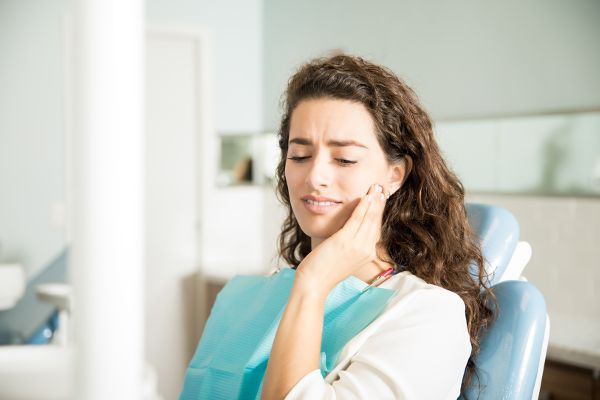


Maintaining a healthy smile is more than just a daily routine. It is an essential investment in your physical health. Your mouth is one of the main points of entry into the rest of your body, which means your overall systemic health is usually reflected in the health of your teeth and gums. The cost of not taking care of the mouth, in addition to cavities, is that, in the long run, it can cause more serious health issues.
Dietary acids and natural plaque buildup are constant challenges to your enamel. Effective care involves understanding how to neutralize these threats through consistent, science-backed habits. When you invest in your teeth’s health, you ensure their long-term functionality. This will help you eat, speak, and smile without pain or fear. The information below outlines some approaches you can use to help keep your teeth clean and healthy.
Brush Your Teeth Correctly and Regularly
The foundation of a healthy mouth is to create a strict 2×2 Rule. According to this standard, you should brush twice a day, with each session taking at least two minutes to make sure that every part of the tooth is properly taken care of. Most individuals stop cleaning after less than 60 seconds, leaving about half the plaque deposits. When you spend the entire two minutes, you give the fluoride present in your toothpaste plenty of time to work its way into the enamel. This helps systematically break down the biofilm that leads to decay.
The following time investment is only effective when combined with the modified bass method. This method targets the most susceptible elements of the dentition. Instead of scrubbing horizontally along the teeth, you have to sweep the bristles at 45 degrees along the gumline. This particular orientation enables the bristles to contact slightly below the gingival margin, where bacteria accumulate. When you perform short, circular vibratory movements, you can break up this debris in the absence of the abrasive force that causes tissue trauma.
The success of these finer movements is dependent on the texture of the bristles involved. Although the firm bristles may seem more thorough, they often serve as a scratching tool that scrapes away the outer layer of the enamel, leaving the gums sore. The use of soft-bristled brushes is non-negotiable for long-term safety. These flexible filaments can be flattened and curved as needed to match the natural shapes of the teeth and reach deep into the crevices without causing the delicate soft tissues to recede or permanently wear down.
To streamline this process further, several dental experts recommend switching from manual to electric toothbrushes. Current sonic and oscillating rotating designs produce thousands of micromovements per minute, far more than the human hand can accomplish manually. They have pressure sensors that usually vibrate or turn on when you use an excessive amount of force. This technological support provides uninterrupted, high-quality cleaning that reduces human error and minimizes plaque buildup.
Beyond the physical act of brushing, the timing of your brushing relative to your meal will determine whether your enamel survives. Immediately after eating acidic foods, like citrus fruits, soda, or coffee, tooth wear can actually increase. These acids temporarily weaken the tooth’s mineral structure, making it vulnerable to scrubbing away. Waiting 30 to 60 minutes allows your saliva to neutralize the acid and remineralize the surface. It ensures that your hygiene routine supports or deteriorates your dental health.
Do Not Skip Flossing and Interdental Cleaning
Although brushing is the visible part of an oral hygiene routine, it covers only about 60% of the tooth’s surface. 40% of that is hidden in the crannies where the teeth meet, where the food debris and the colonial bacteria hide. Failure to care for these interdental spaces can cause plaque to calcify into tartar within 20 or 48 hours, resulting in a lasting irritation that leads to gingivitis and, ultimately, bone loss.
To break free of this invisible biofilm, you have to use the C-Shape method of flossing instead of the basic up-and-down snapping motion. Gently sliding the floss between the teeth will not traumatize the fragile interdental papilla, the little triangle of gum tissue between the teeth. When the floss goes beyond the contact point, it can then be curled into a C shape slightly under the gumline. This wrap-around effect makes sure that the string literally scrubs off the sticky bacterial film on the root surface, in which cavities tend to initiate.
In the process, most people could notice localized bleeding and interpret it as a warning to discontinue. As a matter of fact, bleeding gums are typically a symptom of active inflammation caused by deposited bacteria, which means the region needs more cleaning, not less. This small hemorrhage is generally corrected within one or two weeks by regular flossing in the morning before going to work or school. When this irritation continues, it can be a sign of deeper periodontal pockets, which need more sophisticated interdental instruments.
Traditional string floss can be too cumbersome or not effective for those with braces or permanent retainers, or for those with deep periodontal pockets. Water flossers (also known as waterpiks) offer a more aggressive option. They deliver a high-pressure stream of water with pulsing power that removes debris in areas inaccessible to a string. These appliances are very effective at alleviating gingivitis through the massaging of the gum tissue and oxygenating the anaerobic environment in which undesirable bacteria can reproduce themselves. They offer an easy-to-use option for people who lack manual dexterity to clean the spaces between teeth, ensuring their mouths are free of pathogens.
Instead of these water-based systems, interdental brushes offer a mechanical edge for individuals with larger gaps or existing gum recession. These are minute, mascara-like wands of different diameters, which fit snugly between the teeth. In so doing, they clean the concave surfaces of the roots more thoroughly than a plain piece of string. The right size is chosen so that the bristles are fully in contact with both tooth surfaces, giving a complete sweep of the interdental space. Through the combination of all of these tools, you not only upgrade your routine to include more than just a cosmetic cleaning of your teeth, but you also create a whole-body shield against tooth decay and systemic inflammation.
Use Mouthwash and Fluoride
Fluoride is a powerful catalyst of remineralization, a natural repair process that replenishes the minerals washed away by acidic erosion. When you use toothpaste to deliver fluoride, it becomes part of the crystalline structure of enamel, forming a more acid-resistant and harder surface known as fluorapatite. This is a chemical change that effectively protects the teeth against bacterial metabolic waste products, before the development of the microscopic lesions that ultimately become full-fledged cavities.
To get the most from these protective benefits, you should follow the “spit, do not rinse” rule after you brush your teeth. Cleaning followed by rinsing with water will wash away the concentrated fluoride film, which takes time to percolate through the tooth surface. All you have to do is spit out the excess foam and do without liquids for at least half an hour, just to be sure the active ingredients are in contact with your enamel long enough to begin providing a real structural repair.
This reasoning can be applied to mouthwash, which, in many cases, is an unnecessary step when used right after a fluoride toothpaste. Most commercial rinses contain less fluoride than professional pastes. As a result, you wash away the high-quality protection you just brushed on. Switching to using your mouthwash at a new time of day, which can be either after lunch, is a mid-day refreshing and mineral-protecting benefit that does not compromise your morning or evening hygiene results.
When choosing a rinse, select an alcohol-free formula. It will help prevent the long-term effects of chronic dryness, which can lead to bad breath and mouth irritation. Alcohol is a desiccant that dries the mouth, reducing the saliva needed to neutralize the natural acid and control bacteria. Using a soft, alcohol-free mouthwash will help maintain the oral microbiome in balance while providing the antiseptic or remineralizing properties needed to maintain a healthy, strong smile.
Eat Nutrient-Dense Foods
To keep your smile strong, you have to understand the “sugar cycle,” which is the biochemical process by which the bacteria in your mouth use the sugars in your diet to generate corrosive acid. These bacteria launch acid attacks on the protective enamel within minutes of consuming a sugary snack, demineralizing it. If this cycle repeats throughout the day, the cumulative damage outpaces your body’s natural repair mechanisms, leading to the structural breakdown known as dental decay.
The frequency of these attacks can be more harmful than the total amount of sugar eaten. For example, having one soda in three and a half hours exposes your teeth to an ongoing acidic environment that prevents the pH of your mouth from returning to a safe, neutral level. On the other hand, when the same beverage is consumed within 1 hour, saliva will initiate the remineralization process much earlier. Constant grazing or sipping on sugary drinks poses a constant risk, weakening and softening the enamel.
To counteract these acidic shifts, incorporating “detergent foods” into your diet provides a mechanical and chemical advantage. Crunchy, high-fiber fruits and vegetables like apples, carrots, and celery act as natural toothbrushes, physically scrubbing the tooth surfaces as you chew. More importantly, the intense chewing involved in these foods prompts the body to produce saliva, which can be the first line of defense against decay, neutralizes acids, and sweeps away loose debris.
Dairy products like cheese, yogurt, and milk, which are supported by this mechanical protection, contain the building blocks needed to repair enamel. These foods contain a lot of calcium and phosphates, minerals that the saliva transports directly to the tooth surface to seal microscopic holes in the enamel. Particularly, cheese has been found to increase the pH of the mouth, which provides an instant buffer against the acid that other food components in a meal cause.
You should also drink a lot of water. Water is always the best aid in keeping the oral cavity clean between brushing times. As nature’s mouthwash, water cleanses the remaining sugars and acids without causing staining and erosive effects like juices and sports drinks. You should also stay hydrated so that you do not have to worry about the constant, steady flow of saliva. Doing so helps maintain the mineral therapy needed to keep your teeth and gums healthy throughout the day.
Adopt Better Lifestyle Habits
Beyond diet and hygiene, day-to-day lifestyle choices also play a crucial role in the long-term survival of your dentition. Vaping and smoking are two of the most significant risks to oral health, with nicotine being a potent vasoconstrictor. These habits mask the warning signs of gingivitis in the blood vessels of the gums, including bleeding or redness. They essentially starve the gum tissues of the oxygen and other nutrients they need to heal. It is this absence of blood flow that enables periodontal disease to progress without any warning and often results in irretrievable bone loss and tooth mobility before any diagnosis is made.
Another, but equally destructive, challenge to your smile is physical stressors, like bruxism (chronic teeth grinding). The high grinding force can exert hundreds of pounds of pressure on the enamel and is often caused by stress or sleep apnea. This repetitive mechanical stress results in microfractures, flattens the chewing surfaces of the teeth, and may cause painful disorders of the jaw joints. Wearing a specially designed nightguard can also be an essential form of physical protection, absorbing these forces so that the vertical height of the teeth is not damaged by night wear.
Maintaining dental integrity also requires treating your teeth exclusively as instruments for nutrition rather than versatile tools. Using your incisors to open plastic packaging, tear tape, or crack nutshells subjects the enamel to unnatural leverage, which often results in jagged chips or deep vertical fractures. Equally, the ice-chewing habit results in sharp changes in temperature and high pressure that may lead to failure of already filled teeth or even the breaking of healthy enamel.
Cosmetic piercings, such as tongue or lip piercings, pose a continuing threat to the oral architecture. The abrasive nature of metal jewelry in constant contact with the teeth often causes chipped edges and severe gum recession at the back of the lower front teeth. You can protect your oral base from unnecessary trauma and early aging by identifying these behavioral risks and taking protective precautions, including stress management and avoiding situations that involve using your teeth as tools.
Find a Lakewood Dentist Near Me
Achieving a radiant, healthy smile is not about luck. It is about the small, consistent choices you make every single day. By adopting the recommendations addressed above, you invest in your future self-confidence and health. Your teeth will serve you for a lifetime, as long as you take proper care of them.
Part of keeping your teeth clean and healthy is also visiting your dentist regularly. At The Lakewood Dentist, we are ready to help. Contact us at 562-423-1441 to schedule your next appointment.